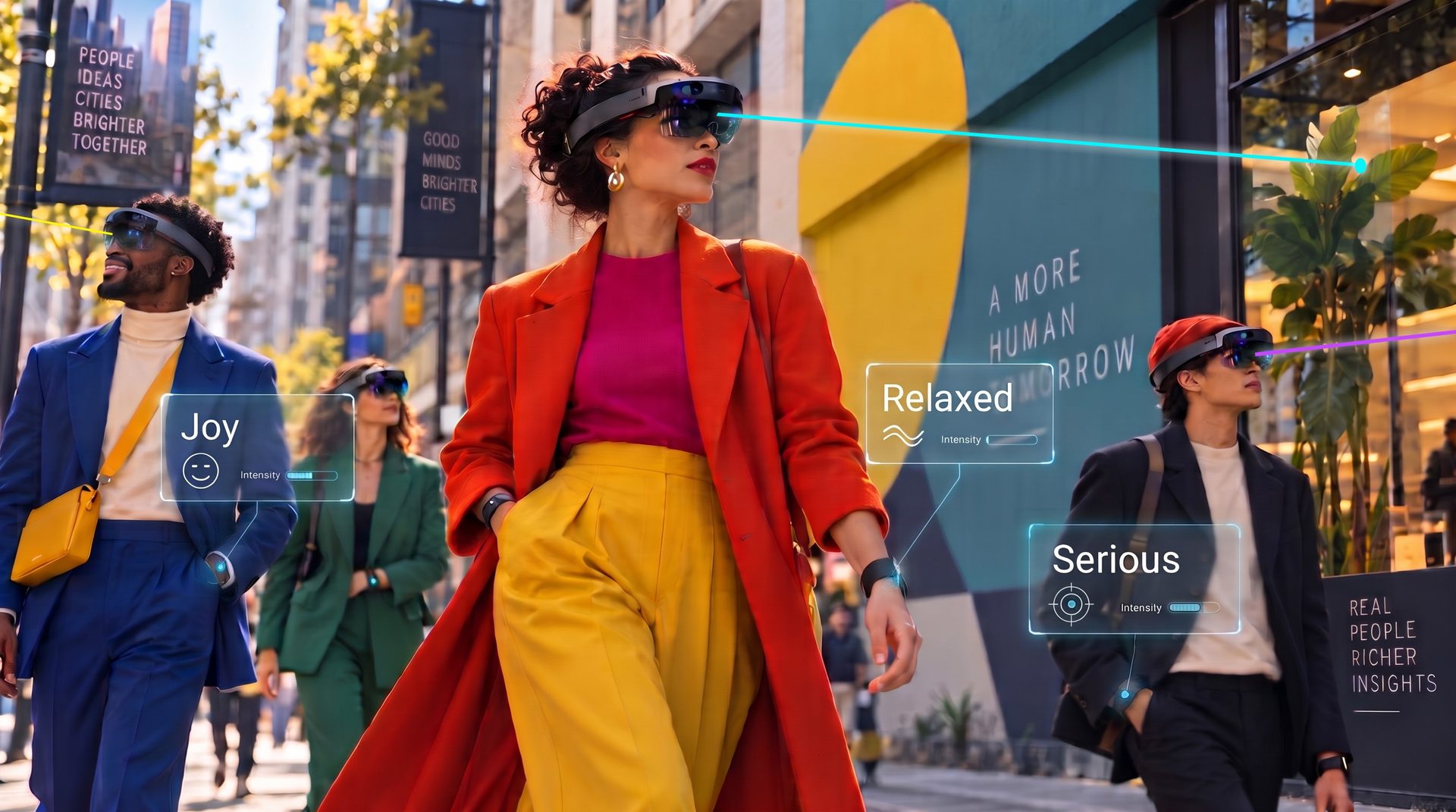
Concept image · Emotion AI by OVOMIND · HoloLens 2
SCEWC 2026 Barcelona · 3–5 November · Japan Pavilion, Hall 3, C151
Mapping what people looked at — and what they felt — onto the city.
Two research projects on bringing human experience into city-making: design a street by how it feels, and see where people look and how they feel, in a 3D city.
NTT Urban Solutions Research InstitutePowered by HoloLabEmotion AI by OVOMIND
The question
What if we designed cities around how people feel and experience them?
When we design cities, we think about buildings, roads and parks. But what do the people walking through them actually see, and feel? We are exploring how XR, AI and digital twins can make that experience a starting point for urban design.
01 · Design
Impression-driven streetscape design.
Score how a street feels. Set the impression you want. Test it in 3D before anything is built.
Score the street. Redesign it. Test it before you build.
An AI scores how a street feels today, prescribes what to change, and redraws the street toward the impression you want. The generated street goes back into 3D, so you can walk it before construction.
1
Score
Impressions such as trendy, soothing or bleak, scored by AI on a framework based on Emotional Scape™ (Takenaka Corporation), plus street-space quality on Jan Gehl’s 12 criteria.
2
Prescribe
The AI writes what to change and why — a parklet, a green wall, warmer railings, solar streetlights — and which quality criteria each serves.
3
Redesign
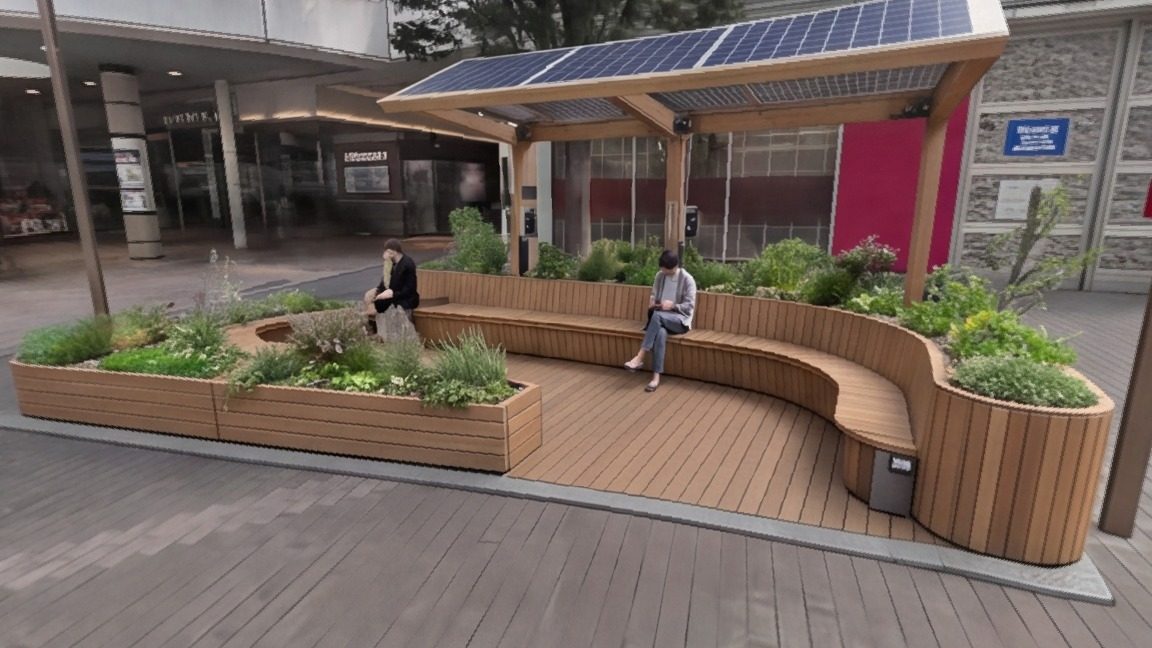
Generative AI redraws the same place from the prescription, at the intervention level you choose: from furniture in days to redevelopment over years.
4
Test in 3D
The generated image is rebuilt as a 3D space you can walk through at eye level — before anything is built.
Gotanda, Tokyo. Impressions set: more soothing, more trendy. Scores are AI-rated and separate from the impression scales.
Redesign, at the scale you choose.
Today · 18 / 30The street as it isLevel 1 · 23 / 30Days to weeks — benches, planting, lightsLevel 4 · 24 / 305–10 years — deck, green wall, plaza
3D Image into 3D space
Test before you build.
We scan the real street in 3D, take one view from it, redraw it with generative AI, and rebuild the result as a 3D space. A flat picture becomes a place you can walk through from any viewpoint.
02 Explore how people react · NTT USRI × HoloLab
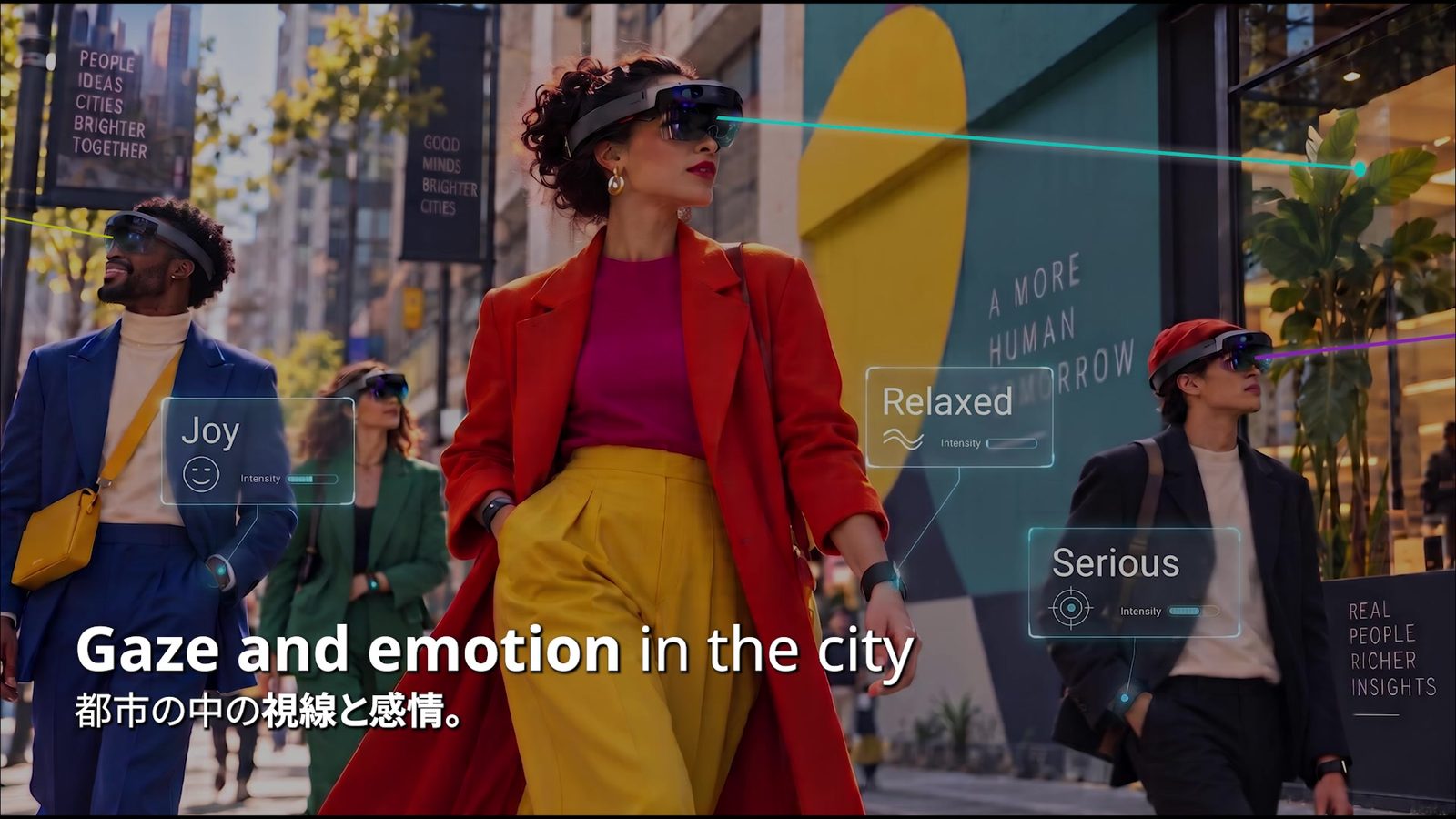
Gaze and emotion in the city.
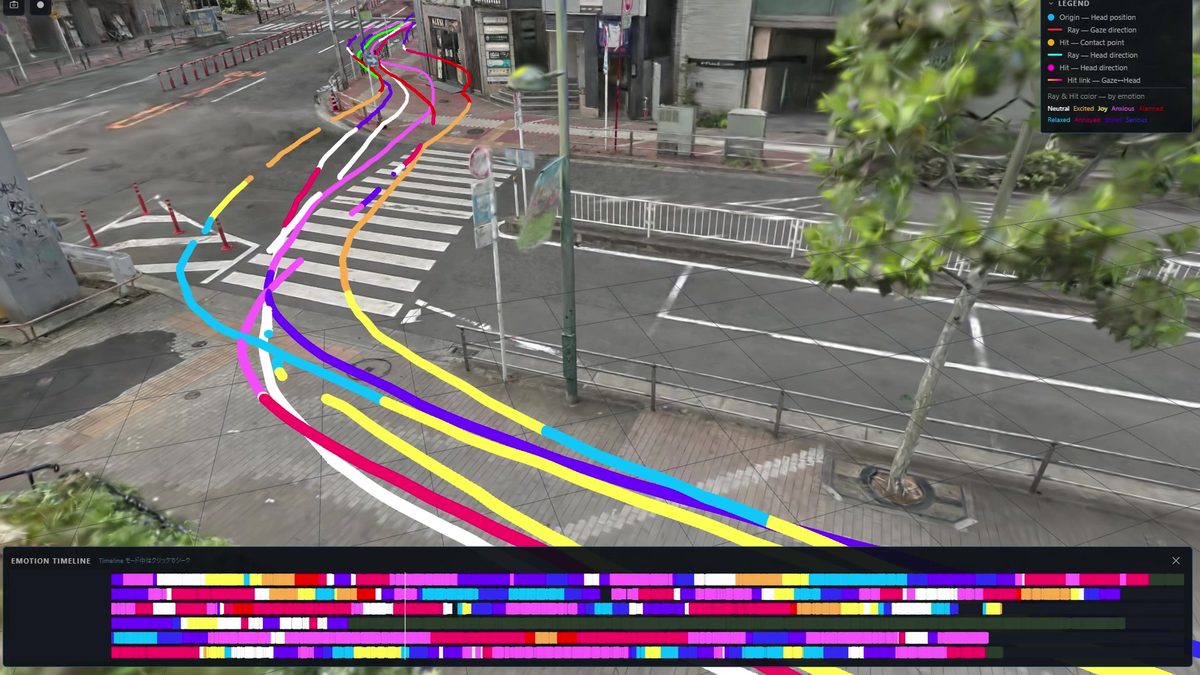
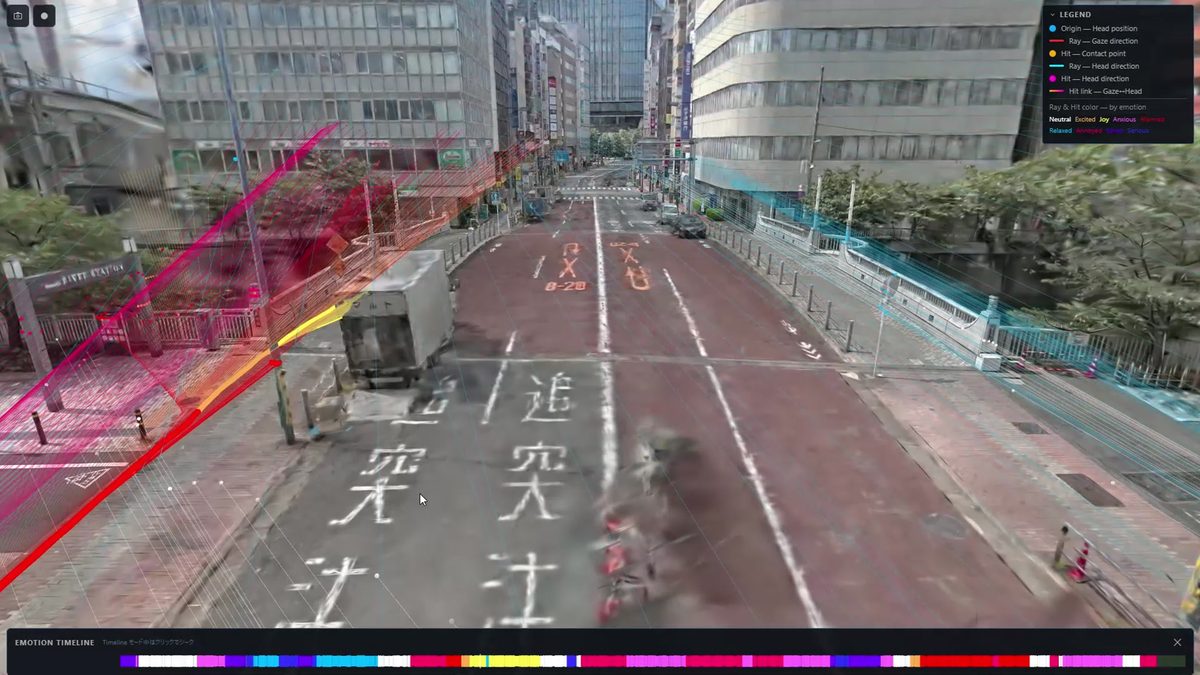
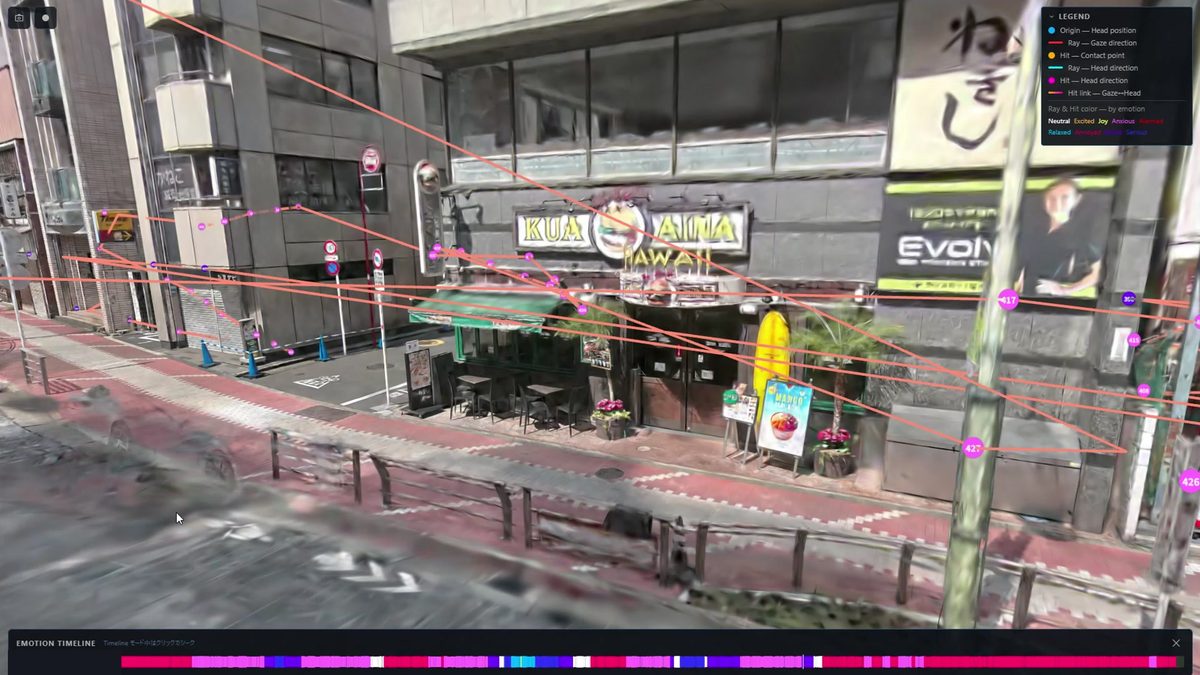
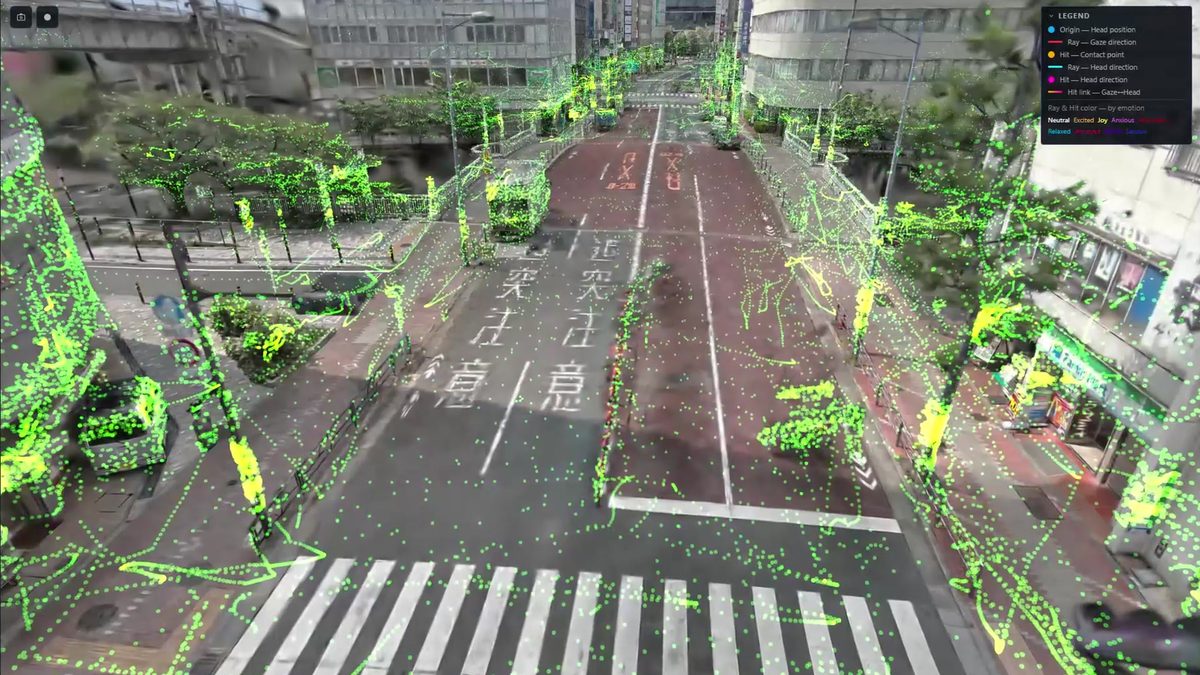
What do people actually see, and feel, as they walk? We measure gaze, head movement, route and emotional response on a real street in Gotanda, Tokyo, and place them in one 3D city — so any number of walks can be overlaid and compared.
Gotanda walks — gaze and emotion placed in the 3D city · 1:20Eye gaze · HoloLens 2 · Emotion AI by OVOMIND
Emotion shifts at the crossingWhere they looked, in 3DThe path of the eyeWhere gaze gathers
What each moment tells us
Where they lookedeye gaze · HoloLens 2
Stops, turn-backshead pose · 6DoF
What was in viewfirst-person camera
What blocked the viewspatial mesh
Sounds aroundmicrophone
How they feltbiometric emotion · OVOMIND
The moment it shiftedread against the street
Where it happenedplaced in the 3D city
Research in progress. The Gotanda measurements are complete; detailed analysis is under way.
Partners
Human experience as a new perspective on urban design.
Research
NTT Urban Solutions Research Institute
Technology
HoloLab Inc. — XR, 3D city space, analysis tools
Emotion
Emotion AI by OVOMIND
Device
Microsoft HoloLens 2
Program
SIP — Cross-ministerial Strategic Innovation Promotion Program, Cabinet Office of Japan
Consortium
Takenaka Corporation · NTT Urban Solutions Research Institute · The University of Tokyo
Framework
Impression indicators include Emotional Scape™ by Takenaka Corporation
Get in touch
Which of your streets should we measure next?
Cities, districts, campuses and developers: we are looking for places to run this loop with — measure, interpret, redesign, measure again. Bring a photo or a site; we can score it, redesign it and walk it in 3D.
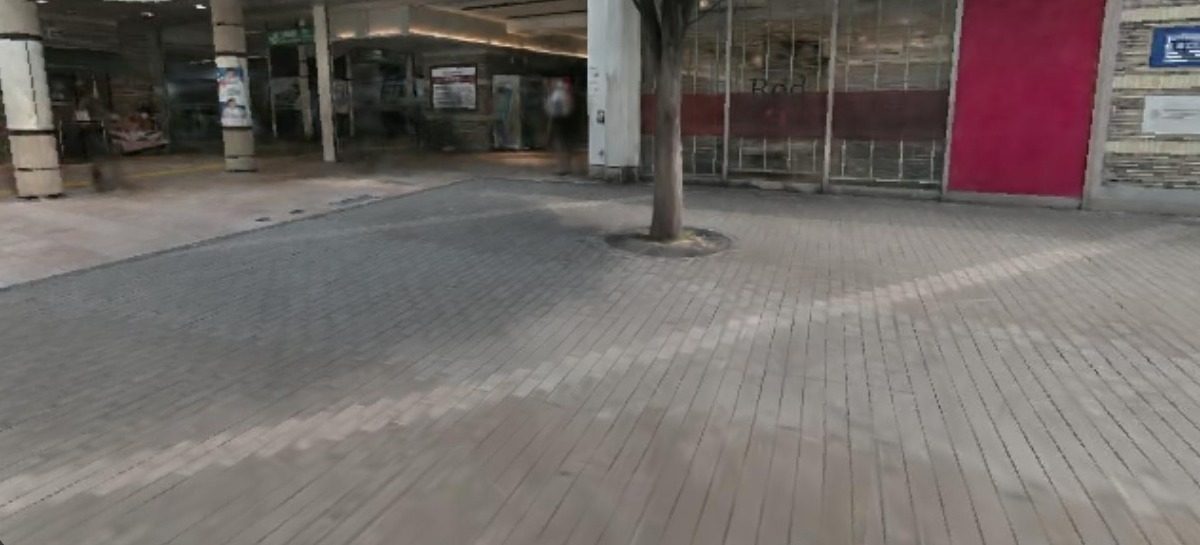
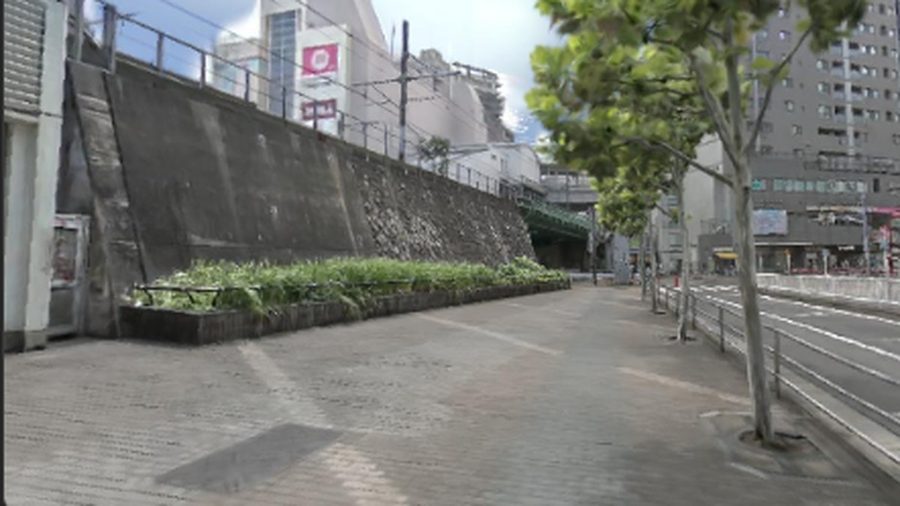 Today · 18 / 30
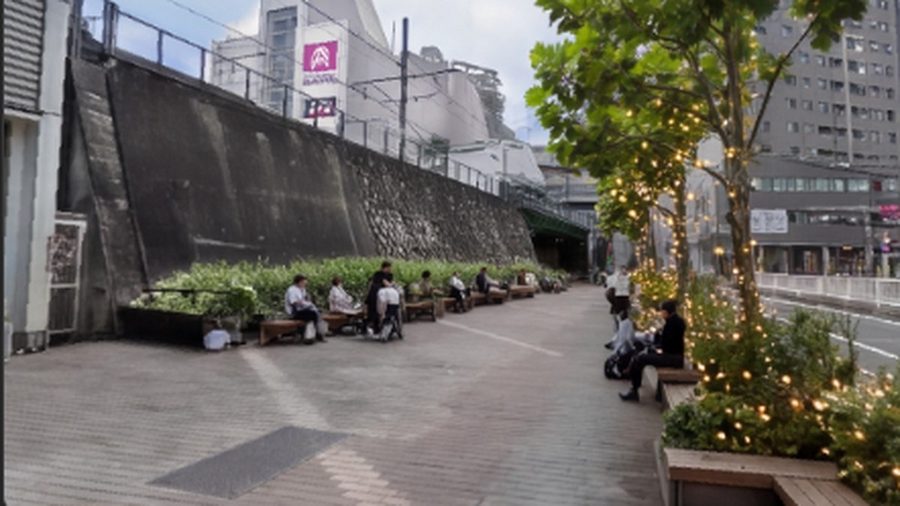 Level 1 · 23 / 30
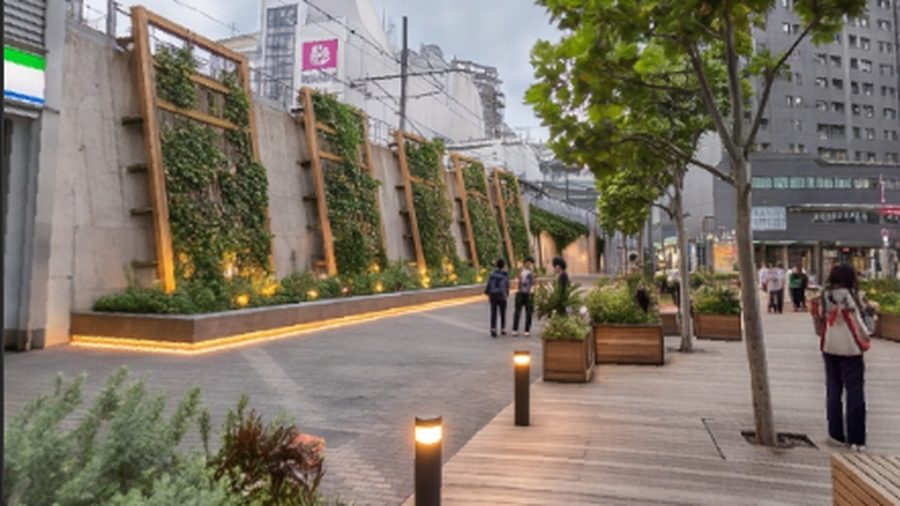 Level 4 · 24 / 30